


SEM, TEM or Dual Beam Maintenance – Top Ten Tips

Introduction
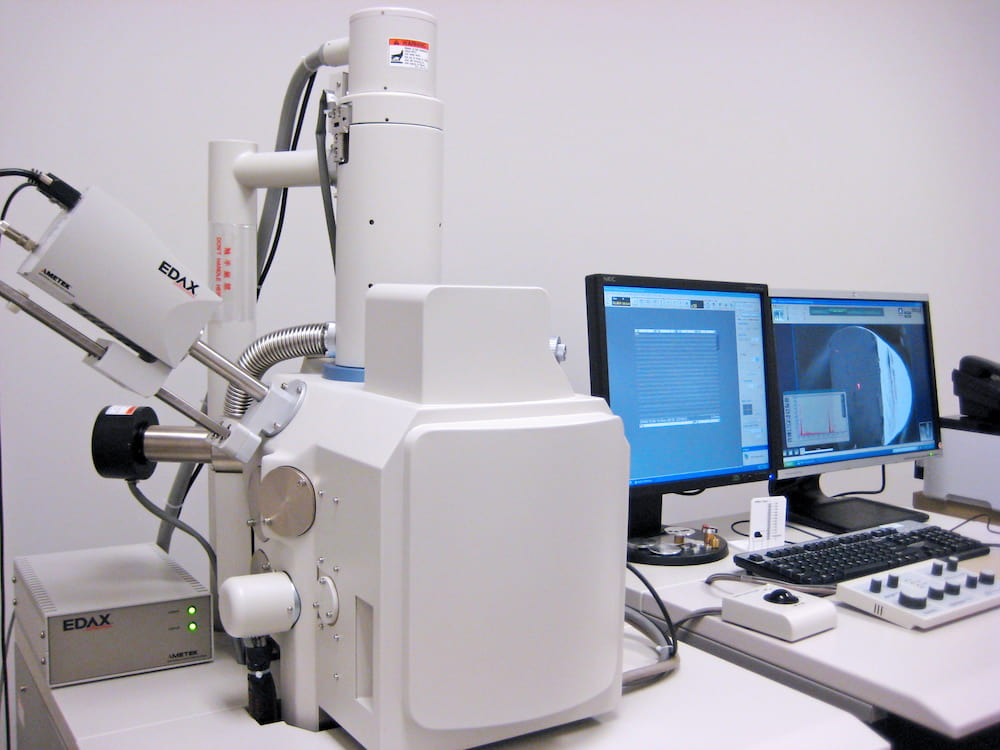
It is a recognized fact that microscope repairs incur heavy value. Sometimes, like with automobiles or appliances, larger issues can be prevented, and the scope may be made to closing longer if attention is paid to small things. TSS Microscopy has many years of revelations in operating with microscopes in all one-of-a-kind states of disrepair and has visible some quite nasty stuff. This article discusses some of the most vital things you will do, as a user or owner, to help protect your funding.
Top Ten Tips
Listen and Look! When people can try this mechanically with their car, why not do it with their microscope? When something is used often, it is easy to apprehend the everyday flickers, hiccups, and noises that it makes. Trouble may be diagnosed at the early level itself, earlier than it gets out of hand, and this could be achieved by paying close interest and taking notice while matters are distinct. Time must be taken while using Dual Beam, TEM, or SEM, so this will be cited if something isn’t always similar to closing time.
Change the oil. Again, like some very mechanical things that might be handled on a day-to-day basis, it’s vital to take care of the basic protection objects, like having tip seals on dry pumps modified or changing the roughing pump oil. Bad oil in a compressor or pump can affect overall performance and cause additional issues.
Make sure it’s cool. Many microscopes require chilled water, both for the pumps and for the lenses. It should be ensured that the closed-loop chiller or residence water is clean and produced at the perfect temperature and wait. Also, the water must be checked for algae, an increase in unusual things, or an uncommon smell. A water flush may be used before it creates extra troubles like clogged lens traces.
There are also other matters TSS can assist with on similar topics.
Wear gloves. Wearing gloves is a simple preventive maintenance component that some users fail to observe. TSS advises glove usage when doing whatever could be near or go into the vacuum chamber on a Dual Beam, TEM, or SEM. Even a small amount of oil or grease added throughout every pattern exchange can add up and degrade the vacuum in the long run.
Consumables. As the call rightly shows, consumables aren’t intended to be used all the time. Detectors, beam chemistry, and apertures– all of them come beneath that consumable umbrella. TSS advises that consumables may be changed at the OEM-advocated intervals. If the replacement is executed well before failure, the device performance can be stepped forward, and a tool disaster may be averted at the wrong time. Sometimes, the detector might also malfunction, or users may run out of platinum properly when running on an important sample. However, such issues may be avoided.
Related Articles :
- A Few WordPress Tips For Better Search Engine Optimization
- Top three search engine optimization Tips and Secret
- Playing Sports and Succeeding in Business – Why They Often Go Together
- 7 Tips for Enhancing WordPress Templates
- Gay Dating Sites – five Tips For Secure Dating
Patience. Patience is crucial. If a pattern holder is inserted hastily on a TEM, or maybe a Dual Beam or SEM, it could accidentally lead to a hassle. The TEM degree is especially susceptible because sensitive vacuum machine additives and vacuum fittings share the identical space in which the pattern holder goes. Thus, it’s miles critical to have a little extra endurance and take a few more times to do things with utmost care.
Maintain a clean environment. TSS is visible, from desktops covered with chewing gum on the bottom to dirty PC enthusiasts and a few other matters that might be left unsaid. These scopes are particles and dust collectors. They have lovers and power resources in places that one won’t anticipate, and through the nature of the electronics, they acquire dust. If the environment is kept wholesome and clean, it will likely have a more fit scope!
Track. This isn’t approximately taking a run at lunch, even though it no longer sounds like a terrible idea. However, the main recognition is monitoring and tool logging. Records of what kind of samples are run, import and scope parameters (vacuum ranges, etc.), and p, problems that could have come about through a selected consultation on the scope should be maintained efficiently. This method can make it a lot less complicated to troubleshoot and diagnose issues as they arise. Also, this data may be used to estimate when disasters might occur, so a tremendous amount of pressure, time, and money may be stored.
Back up your machine computers. No matter how unique or new the computers and hard drives are, the equipment can never be used. Thus, if something goes wrong, having an exact backup identical to the hard drive for plug-and-play utilization is a terrific concept. TSS Microscopy presents sure answers that may help make this a less complicated job for clients, mainly if they have an older microscope computer that lacks nowadays’s hardware interface conveniences.
Resources! Use them! TSS Microscopy is to help clients without reprimands or judgment. In addition to supplying providers, the enterprise shares or gets the consumables and components required via clients, even supposing they have an older microscope that is no longer supported by their OEM. TSS is available over the phone or through its far-flung diagnostic platform. If something goes wrong, customers can touch the employer because TSS dares to move locations where the OEM is no longer.
